


Brass is a popular metal alloy you can use in many applications.
Therefore, whether you want to fabricate, cast or forge brass, it is important to know its melting point.
In this guide, we explore all fundamental aspects about the melting temperature of brass.
What is the Melting Point of Brass?
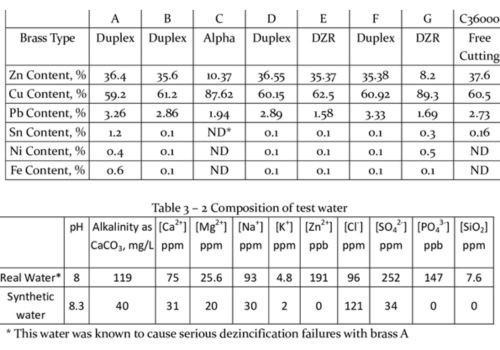
The melting point of brass will generally depend on the brass type and more specifically the proportion with which copper and zinc were mixed. Also, the types of alloying that may have been used. Usually, brass has a melting point of about 900 掳C to 940 掳C or 1652 to 1724 掳F. It decreases with the increase of zinc content, reaching the lowest point (about 902掳C) when the zinc content is approximately 38%.
If other elements such as lead and tin are added to form special brass, the melting point will fluctuate within this range. Therefore, the exact melting point needs to be determined based on the specific grade, but it is significantly lower than that of pure copper (1085掳C).
 Different Brass Composition
Factors Influencing the Melting Point of Brass
Below are some factors affecting the melting point of brass:
Composition
- The presence of copper tends to increase the melting point while zinc on the other hand reduces it in brass alloys. It reaches the lowest point (about 902掳C) when approaching the eutectic composition (about 38% zinc).
- Alloying Elements: Usually, incorporating elements such as lead or tin decreases or increases the melting point correspondingly.
Purity of Metals
- Impurities: Defects such as impurities in copper or zinc can make the melting point to be lower than the melting point of pure metals.
Environmental Factors
- Pressure: Pressure can influence melting point but the impact is normally insignificant for brass in standard conditions.
- Atmosphere: Nature of the gas during the melting process may also determine oxidation or reactions during melting hence altering the melting point.
- Heating Rate: Extremely high heating rates may cause slight overheating, while extremely slow heating or long-term high-temperature holding may lead to segregation of brass components, thereby slightly altering the melting behavior.
Microstructure
- Grain Size: The finer grains ensure a gradual melting of the area, on the other hand, large grains cause localized melting at relatively low temperatures.
- Phase Distribution: The corresponding formation temperatures of brass at room temperature are different. The melting point of the 伪 phase is relatively high, while that of the 尾 phase is relatively low. Therefore, 尾 phase brass with a high zinc content, due to the presence of more low-melting-point phases in its microstructure, has a correspondingly lower overall melting point (solid phase line).
How Brass Melting Temperature Compare to Other Metals
Brass melting point of 900掳C – 940掳C (1652掳F – 1724掳F) in comparison to other metals:
- Copper: The melting point of brass is lower than copper where their melting point standard is 1085掳C / 1984掳F.
- Bronze: Brass has a relatively low melting point against bronze (950掳C – 1050掳C / 1742掳F – 1922掳F).
- Aluminum: Brass has a higher melting point than the melting points of aluminum (660. 3掳C / 1220. 5掳F).
- Steel: Brass has lower melting points as compared to steel (1370掳C – 1510掳C / 2500掳F – 2750掳F).
- Lead: Brass has a significantly higher melting point than that of lead at 327. 5掳C / 621. 5掳F.
Melting Temperature of Various Brass Grades
Below are approximate melting temperatures for popular brass grades:
| Brass Grades | Melting Temperature in 掳C (掳F).
|
| Alpha Brass | 900掳C – 940掳C (1652掳F – 1724掳F) |
| Alpha-Beta Brass | 880掳C – 950掳C (1616掳F – 1742掳F) |
| Beta Brass | 850掳C – 920掳C (1562掳F – 1688掳F) |
| Cartridge Brass | 905掳C (1661掳F) |
| Naval Brass | 905掳C to 920掳C (1661掳F to 1688掳F) |
| Red Brass | 900掳C (1652掳F) |
| Yellow Brass | 905掳C (1661掳F). |
Why Understanding the Melting Point of Brass is Important
Knowledge of brass melting point is essential for various reasons:
- Manufacturing Processes: This is critical to ensuring you identify the appropriate measures to use when casting, forging and even machining the Brass parts.
- Quality Control: It helps to heat the brass alloys to the desired temperature which will not compromise on their structure and performance.
- Material Selection: Useful in guiding you on selecting the right brass alloy type that should be used in certain situations provided its thermal characteristics and its tendency to melt.
- Safety: A proper understanding helps to avoid such problems as overheating which in many cases results in material deterioration or even hazardous conditions in industries.
- Cost Efficiency: Therefore, understanding the features of brass melting contributes to the rational use of energy and resources during its processing.
How boiling and Melting points of Brass Compare
Brass usually has a low melting point of 900 to 1060掳C (1652 to 1724掳F) based on the composition of the mixture it belongs to, as for boiling, this occurs at 1035掳C (1900掳F).
Melting alters the state from solid to liquid, boiling alters the state from liquid to gas and it requires more heat to transform brass from a liquid to a gaseous state.
Applications of Brass Based on Melting Point
 Brass Valve
It�üs used in the following applications:
Electrical and Electronic Components
Although brass has lower electrical conductivity than pure copper, it is stronger, more wear-resistant and has a high enough melting point. Therefore, it is widely used as an electrical connection component that needs to withstand certain mechanical stress, which provides reliable mechanical support while ensuring electrical performance.
Electrical wiring and circuits in electrical devices like fans and refrigerators require connectors and terminals, these are also made from brass.
Plumbing and Piping
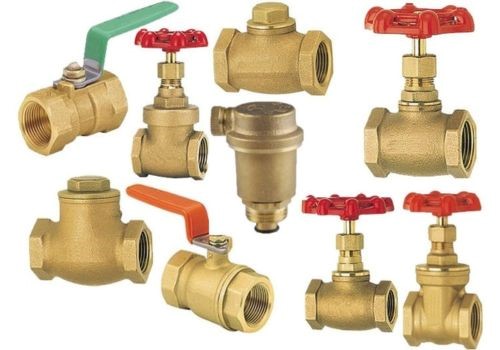
Brass also has good corrosion resistance and a much better melting point that makes it ideal for use in valves, faucets, and pipes among others.
Decorative and Architectural Uses
Brass combines beautiful color, appropriate hardness and good acoustic properties.
Its moderate melting point enables it to be shaped through various processes such as casting, forging and welding, which makes it convenient to produce complex musical instruments and delicate decorative items like door handles, room handles, lamps and furniture decorations.
Heat Transfer Component
Brass has excellent thermal conductivity. Although its melting point is lower than that of copper, it is still significantly higher than the boiling point of water, enabling it to maintain sufficient strength and dimensional stability for a long time in high-temperature working conditions such as automotive radiators and ship condensers, ensuring heat exchange efficiency and safety.
Precision Parts
Lead brass with added elements such as lead maintains good mechanical properties while further reducing its melting point and achieving excellent machinability.
This enables it to be efficiently processed into gears, valve cores and electronic components with precise shapes and smooth surfaces.
FAQs
What Happens When Brass is Melted?
When brass is molten, it changes its status from being hard and solid to being in liquid form so that it can be poured into different molds or forms.
How Much Heat Can Brass Handle?
Brass is resistant to heat and can reach temperatures of up to its melting point, 900掳C to 940掳C (1652掳F to 1724掳F) thus it serves as a good material for many industries.
In conclusion, brass�üs melting point of 900-940掳C guarantees its usage in industries where heat stability combined with malleability is necessary. With this information, you can easily fabricate brass to suit an application.
Why is It Necessary to Pay Special Attention to the Melting Point When Welding Brass?
Because zinc in brass is volatile at high temperatures, if the welding temperature approaches or exceeds its melting point, it will cause a large amount of zinc to evaporate, generating toxic smoke and forming porous weld seams, which seriously affects the welding quality and your operational safety.
How to Select the Appropriate Hot Working Temperature Based on the Melting Point of Brass?
When you are conducting hot working, the temperature must be strictly controlled below the melting point and above the recrystallization temperature to prevent the grain boundaries from melting.
Understanding the melting points of different grades of brass is the key to setting a safe processing temperature.
Is the Fluidity of Brass Good after Melting?
Brass has a narrow solidification range and good fluidity, which makes it highly suitable for casting. This is also why it is widely used in the manufacture of complex-shaped valves, pipe fittings and artworks, etc.
Why Should the Melting Point of Waste Brass be Paid Attention When Recycling It?
Understanding the differences in melting points of various brass scraps is helpful for classification and batching during recycling.
Mixing and smelting waste materials with different melting points may lead to increased energy consumption, uneven composition or the generation of harmful substances, which will affect the quality of your recycled materials.
What are the Main Reasons for the Burning Loss of Brass during the Actual Smelting Process?
The main reason is that at temperatures above its melting point, zinc oxidizes and volatilizes violently. You can reduce burn-off by precisely controlling the melting temperature and using covering agents to isolate air, etc.
Can Brass Wire and Copper Wire be Welded to Each Other in a Circuit?
Sure. The melting point of copper (1085�) is higher than that of brass. Therefore, during welding, more heat should be concentrated on one side of the copper wire, or a solder with a lower melting point should be selected to prevent the brass wire from losing strength due to overheating or zinc evaporation.
Conclusion
By understanding the relevant knowledge about the melting points of brass mentioned above, it helps you precisely process and cast brass materials while ensuring processing safety.
KDM is a professional supplier of sheet metal materials. If you have any other questions, please feel free to contact us at any time.