


Stamping is a versatile process you can use to make many stainless steel parts.
However, the stamped stainless steel parts will depend on two things – following the right process and choosing the right tooling system.
This guide will take you through 5 critical stages in stainless steel stamping process. Keep reading.
What is Stainless Steel Stamping?
Stainless steel stamping involves using special tools to make different shapes, patterns or parts. Through pressing and forming, raw stainless steel sheets, coils or plates can be stamped into various parts.
 Sheet Metal Stamping Operation
Step 1: Understand Benefits of Stamping Stainless Steel
There are numerous advantages of stamping stainless steel:
- High Volume, Low-Cost Manufacture: High volume, low-cost manufacture of intricate parts is made possible by it. You can produce complex features and forms with stamping that would be challenging to machine.
- Reduced Material Waste: Comparing this procedure to previous ones, it also produces less material waste.
- Economic Production: Many industries, including automobiles, food processing equipment, and appliances, may economically manufacture duplicate parts by stamping stainless steel.
- Strength and wear and tear Resistance: Corrosion cannot break down stainless steel very easily, which makes it great for the pressing process. After being pressed, the stainless steel keeps its shape because of its alloy makeup. Its non-rusting qualities let stamped items withstand hard, damp conditions without deteriorating over time.
- Long-Lasting Performance: Year after year, stamped stainless steel components withstand harsh environments whether they are found inside a washing machine or beneath the hood of an automobile.
Step 2: Choose Stainless Steel Grade for Stamping Process
There are several stainless steel grades used for stamping. The ideal choice depends on your part’s applications and design specifications.
Common options include 302/304, which are austenitic stainless steels offering formability and weldability. These Grades are suitable for many general-purpose stampings. For some parts, you may select the higher-strength 409 for its hardness.
Stainless steel stamping blanks and stainless stamping plate come in various thicknesses to suit different part dimensions and designs. For smaller blank sizes, cold-rolled grades work well as they can be stamped tightly without cracking.
 Stamped Stainless Steel Sheet
Whereas for larger parts, hot-rolled grades of around 0.02”-0.1” thickness may suffice. Consulting a stainless steel stamping company can help determine which alloy and thickness optimizes your part’s strength, cost, and appearance.
Step 3: Know the Stainless Stamping Parts You Need
Applications for stamped stainless steel are many and include home appliances, automotive industry, and in healthcare. Typical examples include:
 Stainless Steel Stamped Parts
- Home application: Washer and dryer components such as outer panels, door liners, and shelves.
- Automotive application: Usually stamped are nameplates, trim pieces, and heat shields in automobiles.
- Medical application: Stamped sinks, trays, and surgical instrument parts are also used in medical field.
Whether for scientific equipment, architectural elements, or the food service sector, stamped stainless steel finds endless inventive applications. By communicating stamping needs with fabricators, the appropriate partner may create solutions that are exactly to specifications. The uses of stamped parts are virtually limitless because of the strength, beauty, and lifetime usefulness of stainless steel.
Step 4: Choose Stainless Steel Stamping Machine & Equipment
Various machines in the market ensure the steel stamping process is less of a headache. They include:
- Mechanical press: For small production runs, a mechanical press may suffice. These manual machines offer basic forming but require an operator for each part.
- Automated transfer or turret press: Larger production volumes warrant an automated transfer or turret press capable of non-stop, multi-station blank processing.
- CNC-controlled presses: CNC-controlled presses enable the forming of complex contours and repeatability for mass manufacturing. A Stainless Steel Stamping Company can outfit such systems with tooling like punches, dies, lifters, and ejectors customized for a particular part design.
- Servo presses: Innovations continually emerge as well. Servo presses adapt motorized force for gentler formability, while laser-assisted designs allow micro-bending intricate stainless steels.
Step 5: Stamping Stainless Steel
When stamping stainless steel, care is key to consistent, high-quality results. To start:
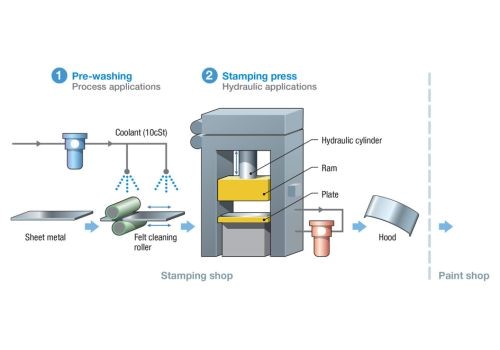 Stainless Steel Stamping Process
- Safety check: Check that your blank material is free of defects.
- Loading: Carefully load it into position without fingerprints.
- Protective lubricants application: Apply protective lubricants before pressing safeguards against scratching or galling.
- Calibration: Proper machine setup verifies tool and clearance alignments. Control settings should suit the alloy and action required.
- Stamping: Using a stamping press, its slide then forms the part steadily under monitored pressure. Periodic calibration guarantees precision over long production runs.
- Deburring: After stamping, deburring eliminates any sharp edges to protect handlers. Finishing like polishing can enhance parts for visual functions.
- Inspection: Inspecting outputs maintains standards with every batch. With the right measures, stamping transforms stainless steel seamlessly into beautiful, utilitarian pieces.
Wrap-up
By understanding material choices, processes, and quality steps, any workshop can leverage stainless steel’s beloved traits through stamping. Whether mass producing or prototyping, this adaptable metal lends itself to an endless scope of shaping imagination.
More resources:
Stainless Steel Fabrication – Source: KDM
Everything You Need To Know About Progressive Die Stamping – Source: KDM
A Guide to Stainless Steel Polishing – Source: KDM